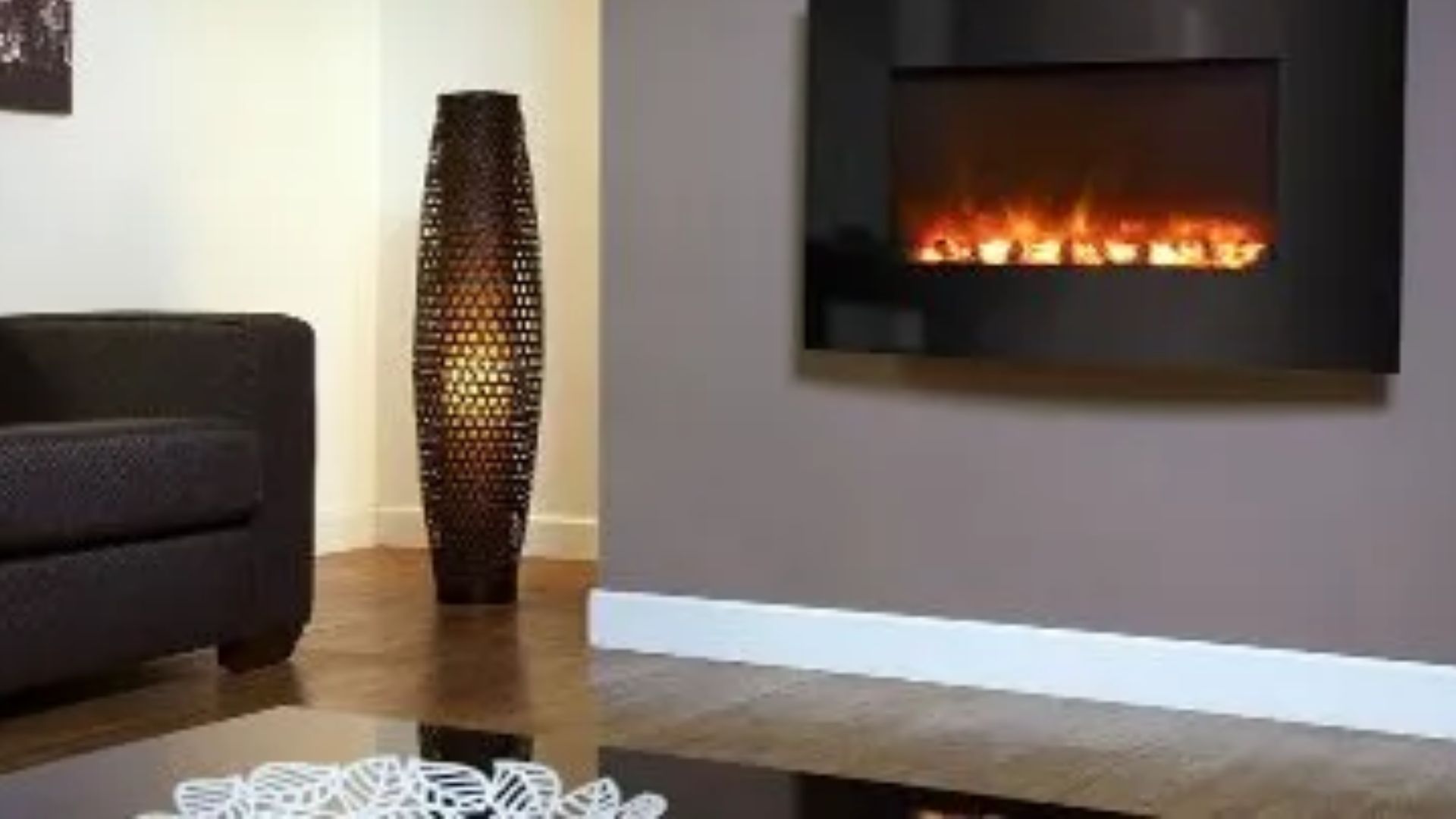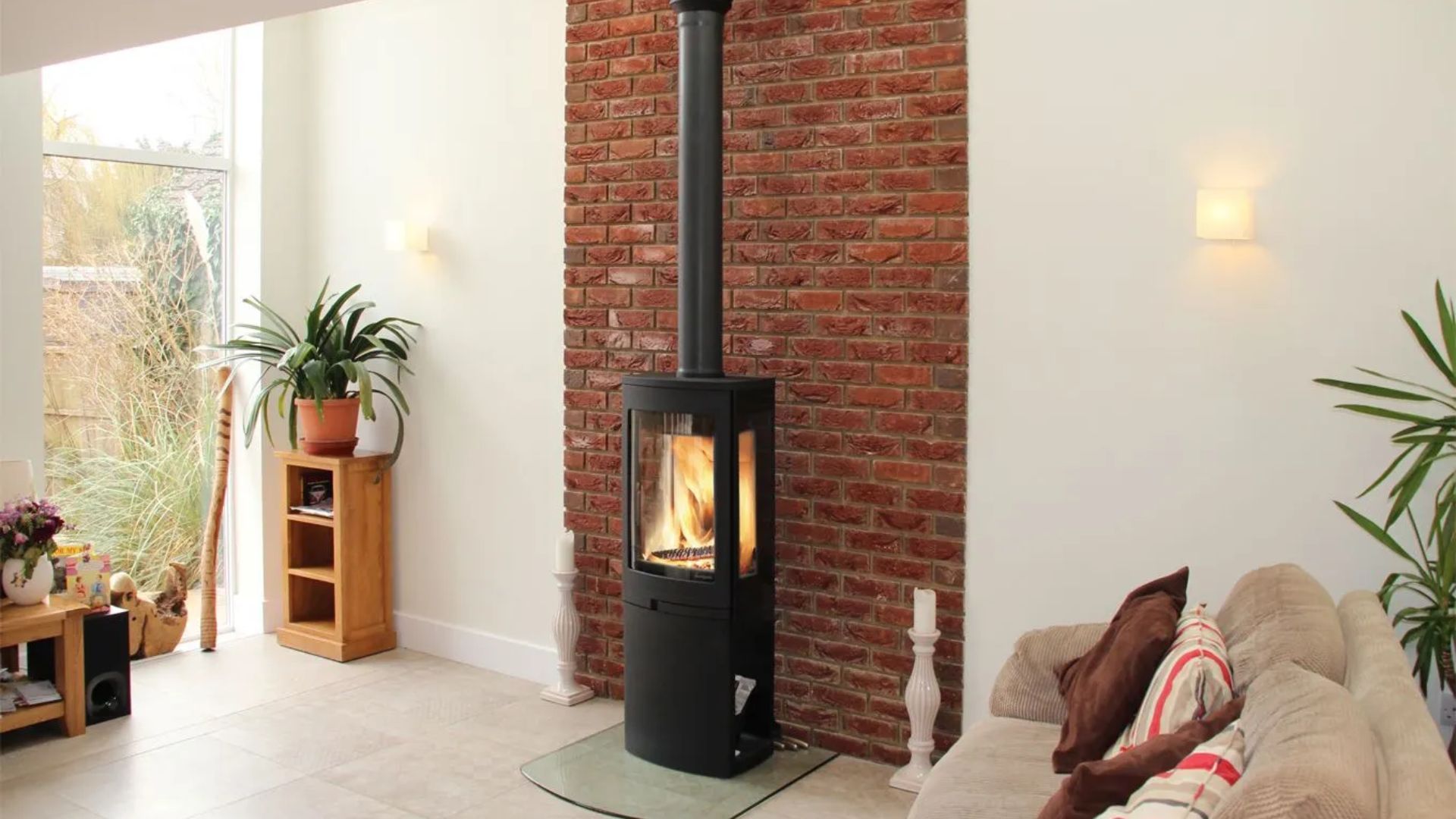
Guide to Wall-Mounted Electric Fires in the UK

angela • 30 April 2024

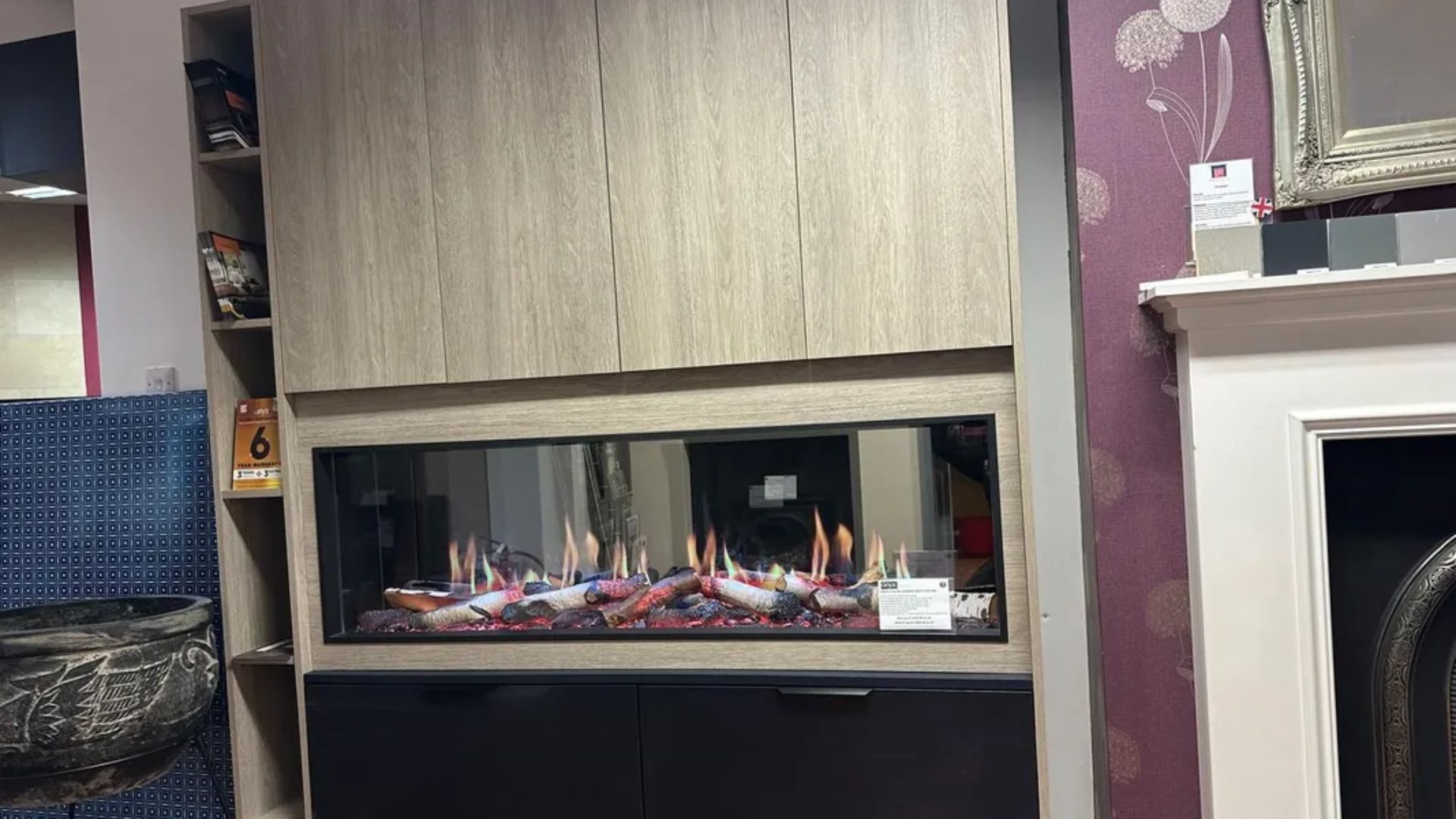
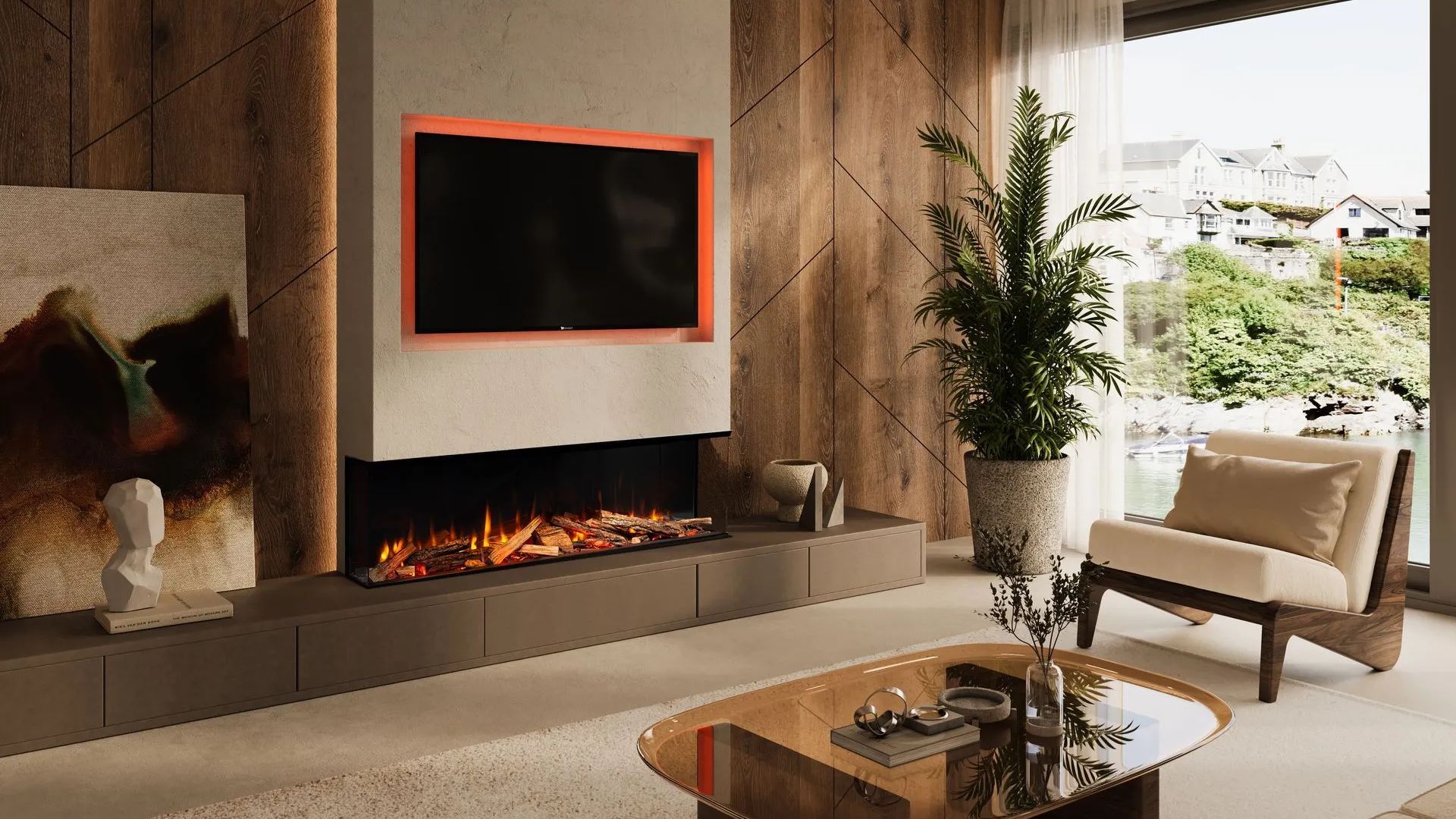
Wall mounted electric fires are often part of a media wall

Electric fires that are mounted on the wall offer a modern and efficient solution for heating homes while adding a touch of style to any room. They are particularly suited to modern living spaces where conserving space and enhancing the decor are equally important. Whether you're in the midst of a home renovation or simply looking to upgrade your heating system, a wall-mounted electric fire could be the perfect addition.


Understanding Wall-Mounted Electric Fires


A wall-mounted electric fireplace provides the warmth and visual appeal of a traditional fireplace without the need for a chimney or ongoing maintenance. These units are attached directly to the wall and are popular in contemporary homes for their ability to save space and offer a clean, minimalistic look. They come in a range of styles and sizes to suit various interior designs, from sleek models that lie flat against the wall to those that can be recessed to mimic the depth of a real fire.


The Appeal of Electric Wall Fires


Choosing an electric wall fire comes with several benefits. These fires are incredibly space-efficient, making them ideal for smaller apartments or rooms where every square inch counts. The installation process is also significantly simpler than that of traditional fireplaces; no chimney or venting is required, which means you can install them almost anywhere in your home. Moreover, electric fires are known for their energy efficiency. They consume less power and can be a more economical option compared to gas or wood-burning alternatives.


Installation Insights


Installing a wall-mounted electric fireplace is straightforward. You’ll need to select the appropriate location—considering the layout of the room and the proximity to a power source—and ensure that the wall can support the weight of the unit. Most installations can be handled by anyone with basic DIY skills, although professional help is recommended when connecting electrical components. This ensures everything is set up safely and meets all regulatory requirements.


Maintaining Your Electric Fireplace


Maintenance for electric fireplaces is minimal, which is part of their appeal. Regular cleaning of the glass and exterior surfaces to remove dust and avoid buildup, along with occasional checks on the electrical components to ensure everything is functioning correctly, will keep your electric fireplace in good working order.


Frequently Asked Questions


How cost-effective are electric fireplaces?


Electric fireplaces are generally economical to run. They vary in cost depending on the model and usage, but typically, it costs about 8 to 30 pence per hour to operate, with the higher cost accounting for the heating element being turned on.


Do they provide adequate heating?


Yes, most models are quite effective at heating, capable of warming rooms up to 400 square feet, making them an excellent primary heat source for smaller rooms or a secondary source for larger areas.


Are the flame effects realistic?


Today's electric fireplaces have benefitted from advances in technology, with many models offering realistic flame effects that can mimic the look and feel of a real fire. Some even include sound effects to enhance the overall ambiance.


Is ventilation required for electric fireplaces?


No ventilation is needed for electric fireplaces since they do not produce smoke or burn oxygen. This makes them an excellent option for virtually any room in your house.


Choosing the right electric fireplace involves considering the size of the space, the style of the unit, and specific features like flame effect options and heat settings. With their ease of use, safety, and versatility, electric wall-mounted fires provide a wonderful solution for bringing heat and elegance to your home without the complexities of traditional fireplaces. Whether it's a snug evening by the fire or an attractive addition to your decor, an electric fireplace could be just what your home needs.
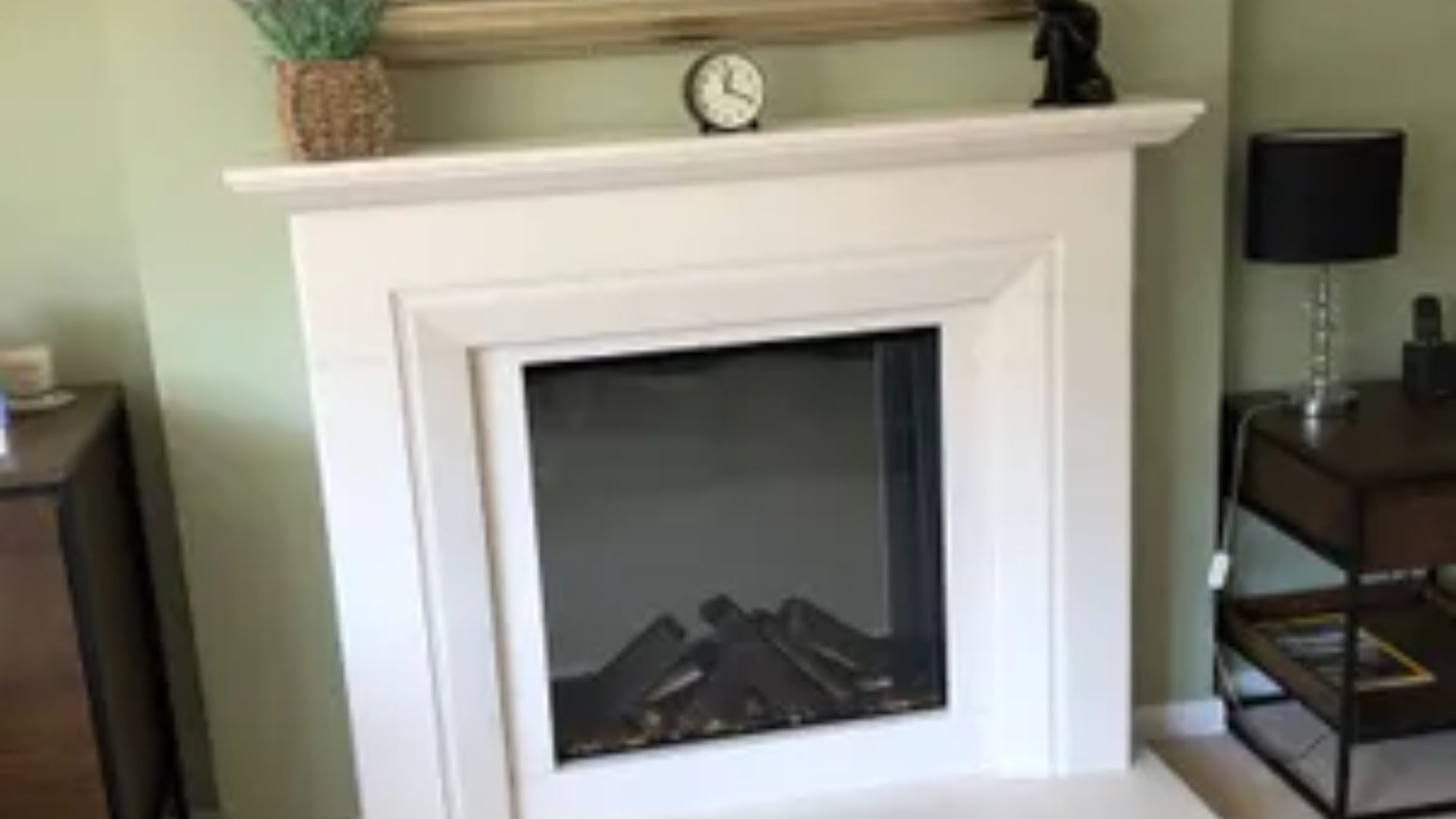
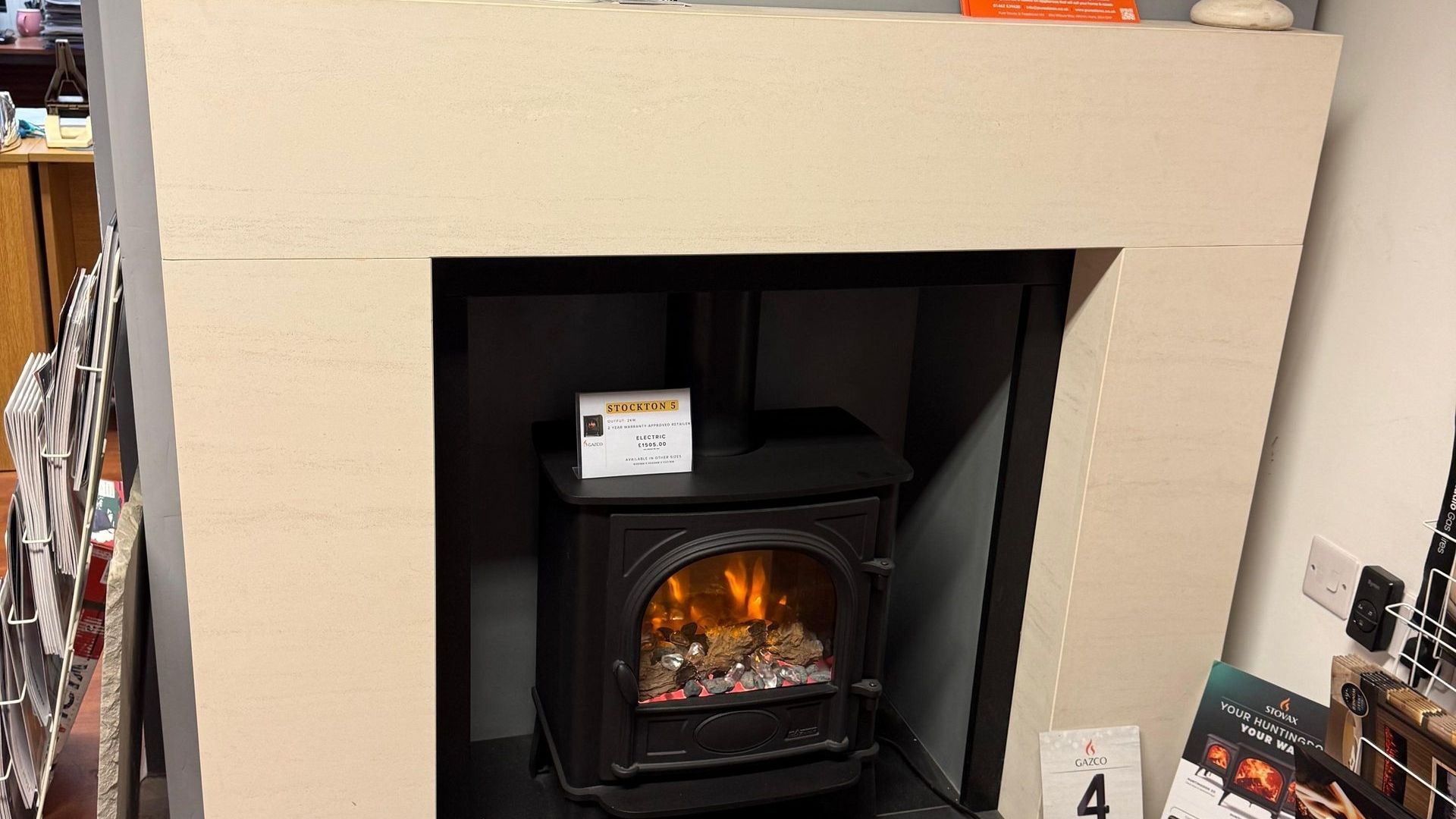
by angela 27 May 2026
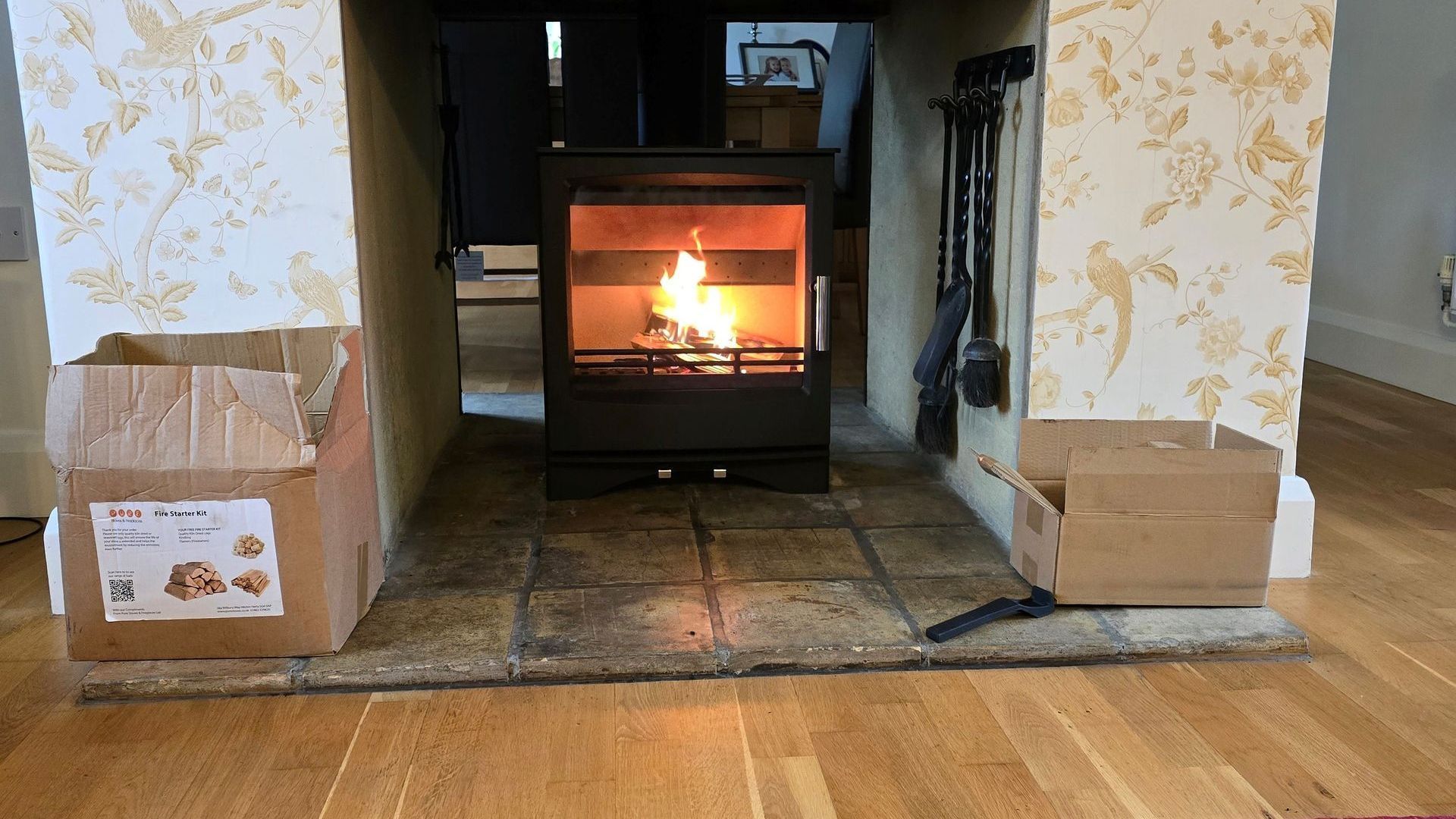
Choosing the right size wood burner is one of the most important decisions you will make before installation. Go too small and you will be cold. Go too large and you risk wasting fuel, blackened glass, and a stove that never quite performs the way it should. This guide answers the most common questions homeowners ask when working out what size wood burner they need, so you can make a confident decision before you buy. How do I calculate what size wood burner I need? The standard calculation used across the industry is straightforward. Measure your room in metres, multiply the length by the width by the height to get the volume in cubic metres, then divide that figure by 14. The result gives you a good starting point for the kilowatt (kW) output you need. So for a room that is 5m long, 4m wide and 2.5m high: 5 x 4 x 2.5 = 50m³ divided by 14 = approximately 3.6kW That figure assumes average insulation and double glazing, which covers the majority of homes in the UK. If your property is older with poor insulation, single glazing, or significant draughts, divide by 10 instead. If you live in a new build with high-spec insulation and triple glazing, divide by 25. These adjustments reflect how much heat your room actually retains rather than what the bare volume suggests. Are kilowatt ratings on wood burners accurate? This is where many buyers get confused, and it is worth understanding before you shop. The kW figure quoted by a manufacturer is known as the nominal heat output. In the UK, manufacturers are largely free to set that figure themselves, provided a tester can confirm it is achievable with a reasonable fuel load. The problem is that "reasonable" is open to interpretation, which means two stoves both labelled as 5kW can have very different firebox sizes. A manufacturer may deliberately rate a stove at 5kW rather than a higher figure for practical reasons. Under UK building regulations, stoves with a nominal output of 5kW or below are often exempt from requiring a dedicated air vent in the room. That is a genuine selling point for many customers, so it creates an incentive to keep the rated output at or below that threshold. The honest conclusion is this: treat the kW figure as a guide, not a guarantee. Two stoves with the same rating can perform very differently in practice. What should I actually look at when comparing stove sizes? Once you have a rough kW figure in mind, the most reliable way to compare stoves is to look at the physical size of the firebox. The firebox is the internal combustion chamber where the wood burns. A larger firebox holds more fuel and can produce more heat over a longer period. When you visit a showroom, ask yourself how many logs the stove can reasonably hold without the door becoming difficult to close or logs rolling around. That physical capacity is a far more honest indicator of performance than the number printed on the specification sheet. At Pure Stoves and Fireplaces, our team will always walk you through firebox dimensions alongside kW ratings so you have a complete picture before making a decision. What if my calculation suggests I only need a 3kW or 4kW stove? A smaller output figure does not automatically mean you should buy the smallest stove available. If a 3kW or 4kW stove looks too compact for your space or would require you to cut logs down to a very small size, it is perfectly reasonable to step up to a 5kW model. A common concern is that buying a larger stove will make the room uncomfortably hot. In practice, the heat output of any stove is determined by how much wood you burn at any given time. A 5kW stove burning a small, well-controlled load will produce 2 or 3kW of heat, not the maximum output. You are always in control of the fire. The rated output simply tells you what the stove is capable of at full capacity. The only real downside to buying a stove that is slightly too large for the room is that you may end up with a large floor area inside the firebox where logs struggle to stay together. That is a minor inconvenience rather than a performance issue. What you genuinely want to avoid is buying a stove that is too small. A stove running flat out just to keep up with the room will wear faster, burn through fuel quickly, and still leave you cold on the worst winter days. Can Pure Stoves and Fireplaces help me work out the right size? Absolutely. Our team works with homeowners across Hertfordshire and the surrounding areas to find the right stove for the room, the property, and the budget. We stock a wide range of models across all output sizes and can walk you through dimensions, efficiency ratings, and installation requirements in our showroom. Whether you are looking for a compact 3kW stove for a smaller sitting room or a larger model to heat an open-plan kitchen and living space, we can help you find something that works.  Contact us today to arrange a consultation or visit us in store.
wood burning stove
26 May 2026
Learn how to choose the right wood burning stove for your home with expert tips on size, efficiency, style and heating performance.
wood-burning stove
by angela 30 April 2026
Learn effective tips to cut smoke from your wood‑burning stove, improve combustion, and keep your home clean and efficient — from fuel choice to maintenance.
chimney sweeping
by angela 19 March 2026
Discover how regular chimney sweeping removes creosote and debris, boosting fireplace safety and efficiency to help prevent dangerous fire hazards at home.
Media walls
by angela 20 February 2026
Explore media wall ideas for small spaces to maximise style and function without clutter. Practical tips to elevate your room design.
chimney sweeping
by angela 27 January 2026
Learn how often chimney sweeping is needed for safety and efficiency, based on fuel type and usage, to prevent fires and maintain stove performance.
chimney
by angela 22 December 2025
Discover why a clean chimney is essential for reducing indoor smoke and bad odours. Learn how proper chimney maintenance improves airflow, eliminates musty smells and enhances your home’s comfort and air quality.
Common chimney problems
by angela 28 November 2025
Learn the most common chimney problems and how professional sweeping prevents blockages, improves safety, boosts efficiency, and protects your home.
media wall
by angela 30 October 2025
Discover smart media-wall design tips to make a small living room look bigger — from layout tricks to colour and lighting ideas in this guide from PureStoves.
Chimney Sweeping
by angela 18 September 2025
Should you sweep your chimney yourself or trust a professional? Discover safety, cost, mess & peace-of-mind differences in our guide.