How often is chimney sweeping needed?
There’s something undeniably comforting about lighting a fire on a cold evening. Whether it’s a traditional open fireplace or a modern wood-burning stove, it adds warmth and character to any home. However, behind that cosy glow is a practical responsibility many homeowners overlook. It’s to keep the chimney clean and safe. One of the most common questions people ask is how often this actually needs to be done. Once you get past the basics of owning a fireplace, chimney sweeping in St Albans becomes an essential part of safe home maintenance.
Ideal frequency for sweeping different chimneys
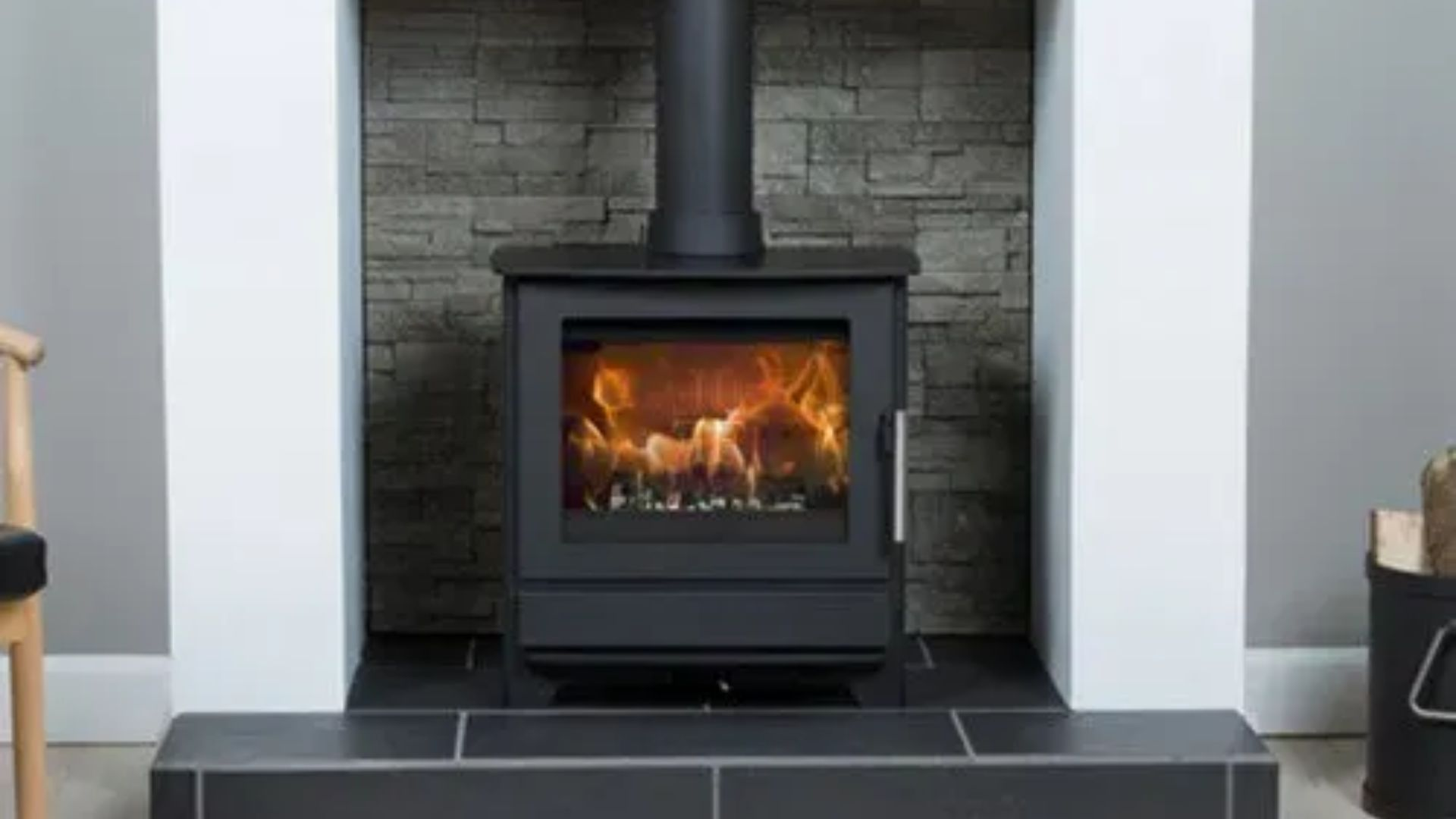
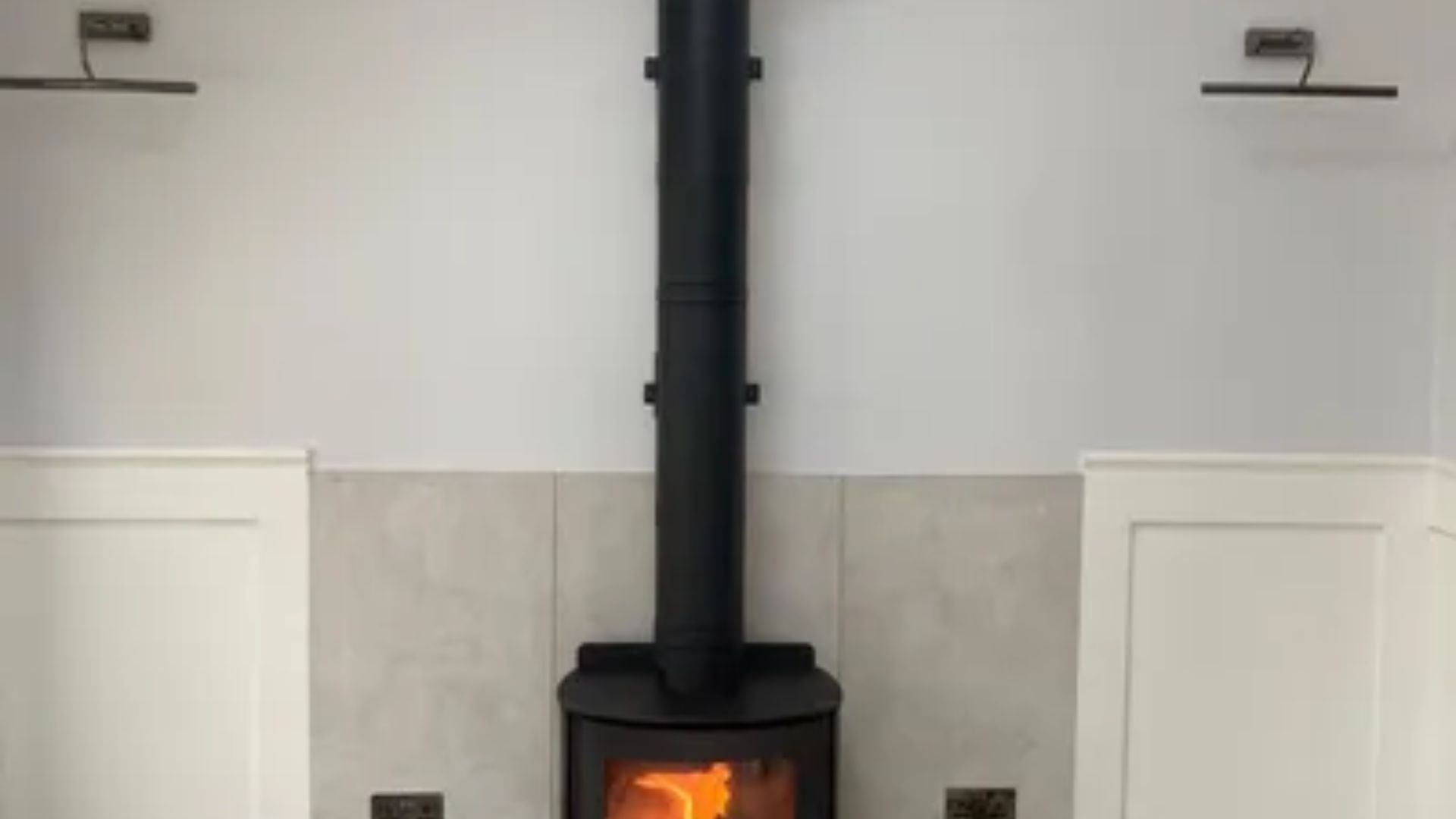
Wood-burning stoves
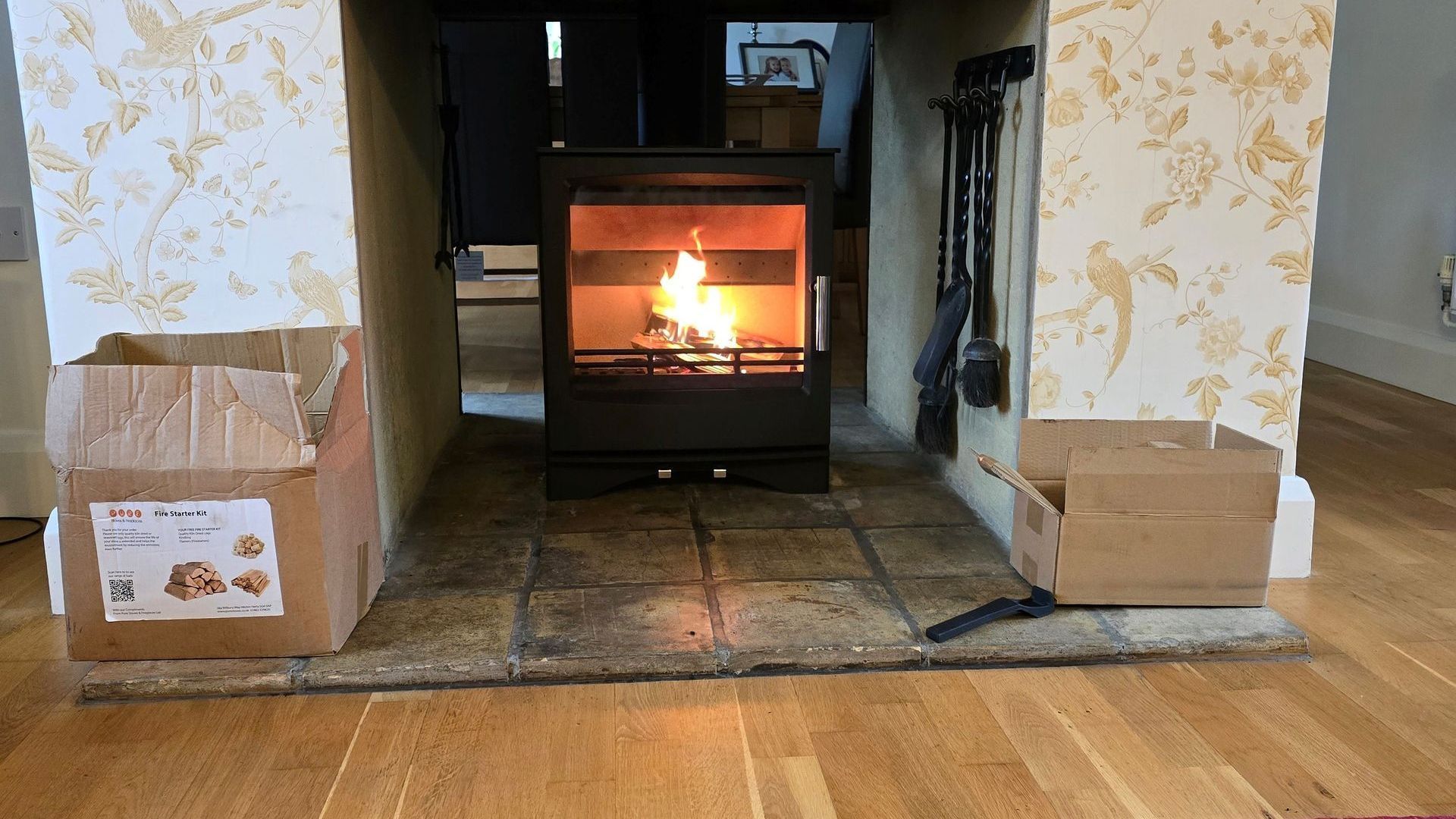
Wood-burning stoves are extremely popular. However, they produce creosote, a sticky, flammable residue that builds up along the flue. If left unchecked, this build-up can significantly increase the risk of chimney fires. For homes using a wood burner occasionally, a chimney sweep at least once a year is usually sufficient. When the stove is used frequently, particularly during colder months, it is advisable to have the chimney swept every three to six months. Using well-seasoned wood can help reduce residue. Still, it may not eliminate the need for regular sweeping.
Multi-fuel stoves
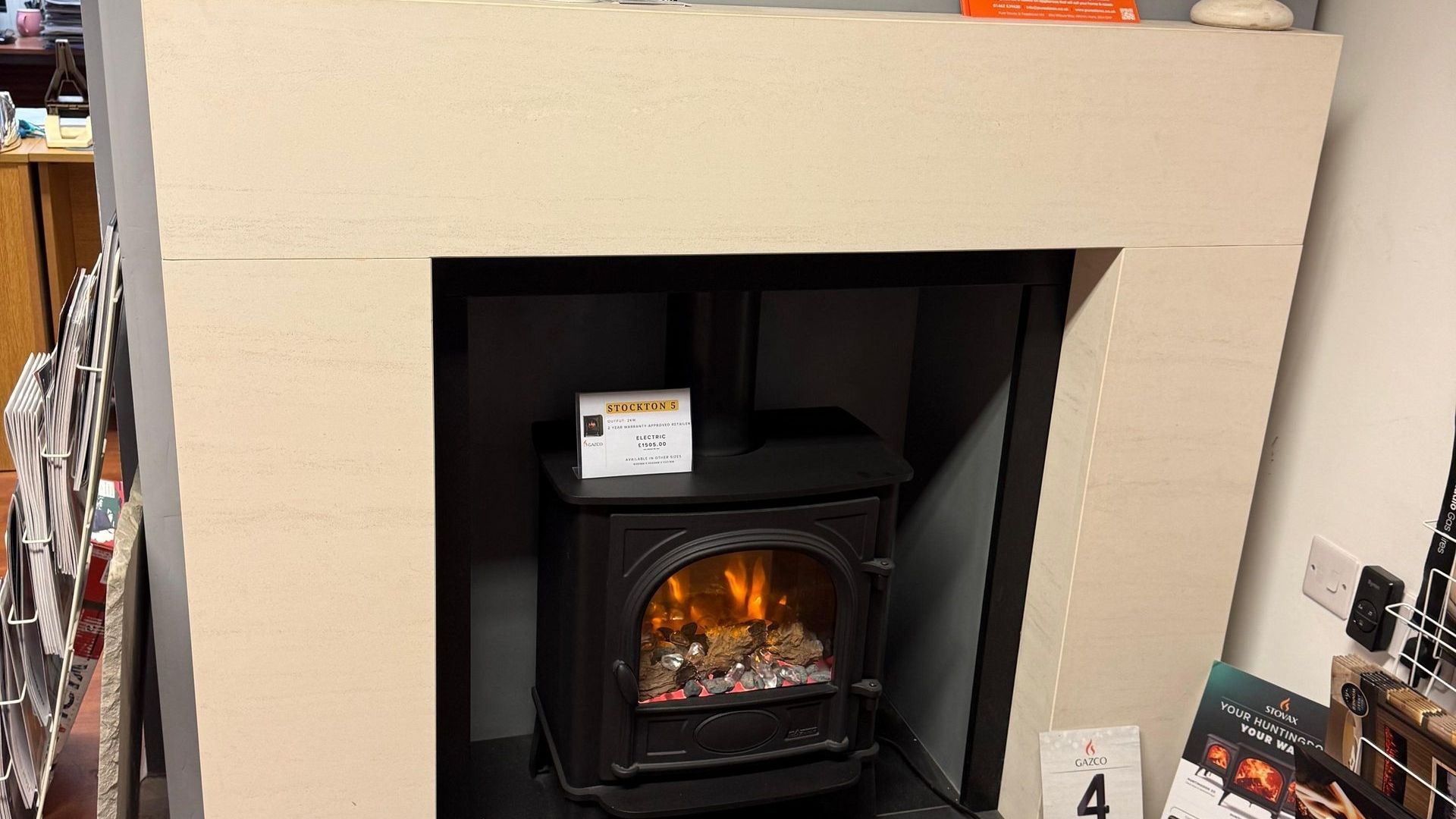
Multi-fuel stoves burn a variety of fuels, including wood, coal, and smokeless fuels, each producing different levels of soot and ash. Due to this variation, chimneys connected to multi-fuel stoves often experience unpredictable build-up. As a general rule, these chimneys should be swept at least once a year. If coal or mixed fuels are used regularly, sweeping every six months is recommended. Regular inspections are especially important, as some fuels can be more corrosive to the flue lining over time.
Open fireplaces
Open fireplaces typically require more frequent attention than enclosed stoves. They draw more air, burn fuel less efficiently, and generate higher levels of soot and debris. Chimneys serving open fires that burn wood or coal should ideally be swept twice a year. It is better to clean them once before the heating season begins and again midway through winter. This ensures safe airflow and helps prevent blockages caused by soot or fallen debris. Open fires are also more susceptible to bird nests, particularly if the chimney is not used year-round.
Gas fires
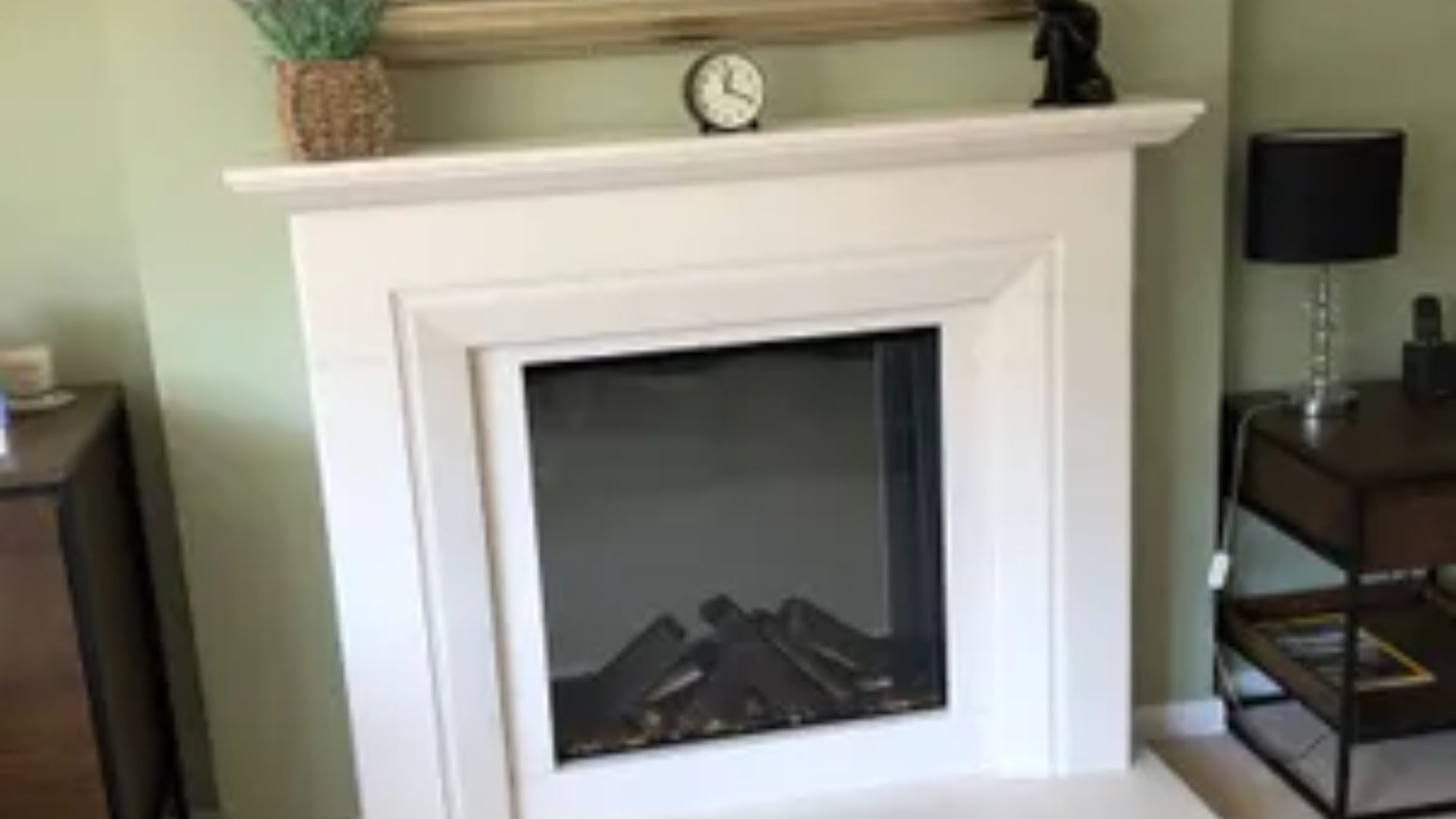
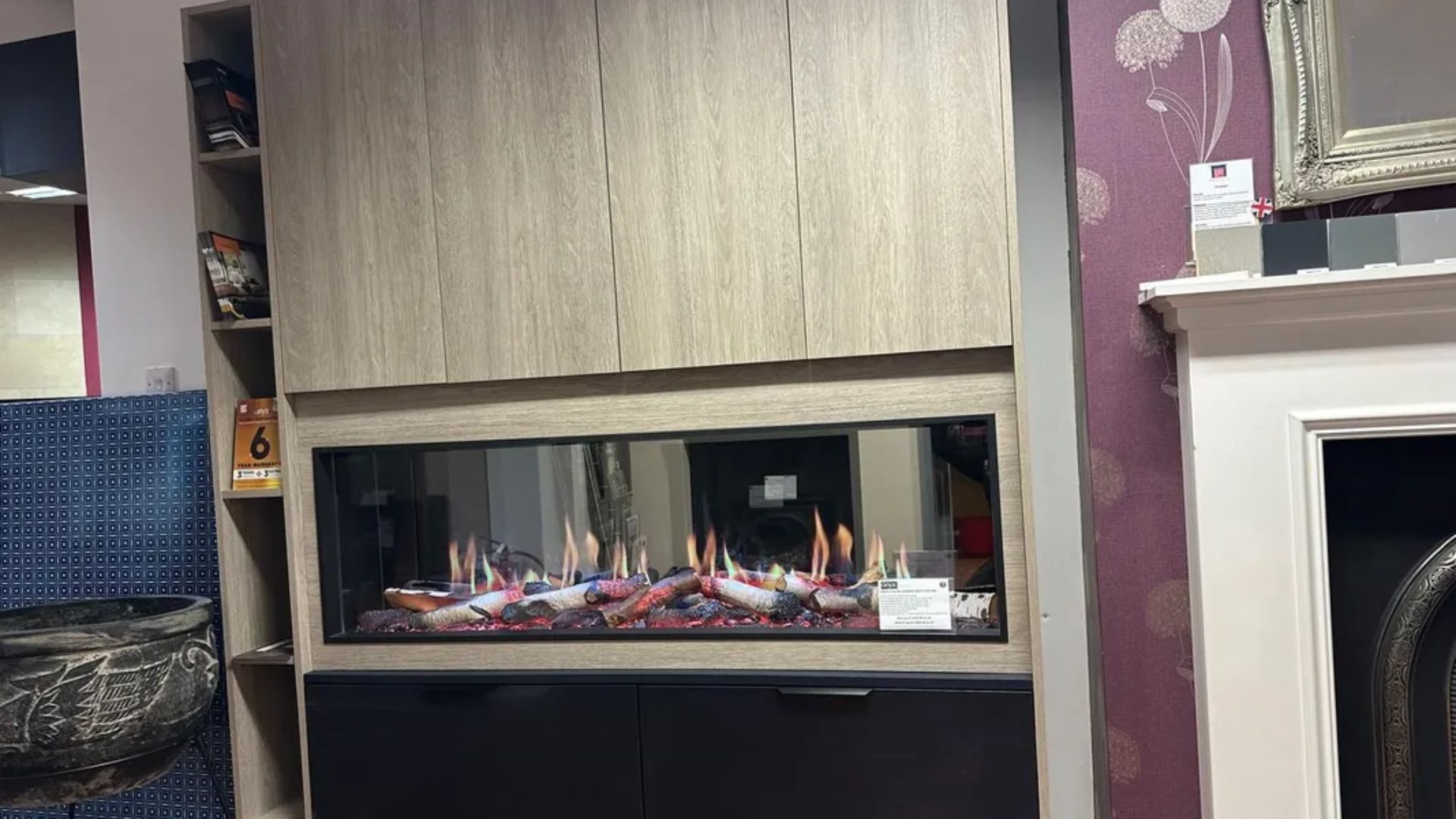
Although gas fires produce far fewer by-products than solid fuel appliances, they should not be overlooked. Gas chimneys do not usually require traditional sweeping. However, they do need an annual safety inspection by a qualified professional. This check ensures the flue is clear, ventilation is adequate, and harmful gases such as carbon monoxide can safely escape. Any signs of staining, corrosion, or poor draft should be addressed immediately.
Also read our blog: Why regular chimney sweeping is essential for home safety
Booking Pure Stoves and Fireplaces for a chimney sweeping in St Albans is a quick and affordable process. However, it plays a major role in fire prevention, maintaining indoor air quality, and providing overall peace of mind. Many sweeps also provide certificates, which can be useful for insurance purposes.
In short, sweeping your chimney at the right intervals keeps your fireplace enjoyable, efficient, and most importantly, safe.