How to reduce smoke from your wood-burning stove
Wood burners in Stevenage are among the best ways to add warmth and style to a property. However, this functional fixture has some drawbacks, such as high smoke levels. Smoke inside the property causes unpleasant odours, reduces indoor air quality, and even damages the stove and chimney. Furthermore, high smoke indicates that the burner is functioning properly; ignoring it can lead to higher maintenance costs over time.
What causes high smoke?
Before diving into ways to reduce smoke, understanding its causes is crucial. Various factors, such as poor air circulation, improper burning techniques, or internal issues, mainly contribute to it. Due to poor circulation, the stove receives less oxygen, leading to poor burn and high smoke. At the same time, improper burning technique and faulty internal components also cause the same.
Wrong or lower-quality fuel is another prime reason for smoke. Wet or unseasoned wood produces more smoke than dry, well-seasoned wood. It happens because unseasoned wood has a higher moisture content, which leads to poor combustion and higher smoke. Moreover, if the flue is too narrow or blocked, it results in a restricted flow of smoke, which spills into the room.
Ways of reducing smoke from your wood-burning stove
Use the right fuel
Using the right fuel is one of the best ways to reduce smoke from your wood-burning stove. Use dry, seasoned wood that has been properly stored and cured for at least six months to a year. The right seasoning helps reduce the moisture content in these woods, contributing to proper burning, resulting in proper combustion and little to no smoke.
Accurate ventilation for proper airflow
Proper airflow is essential for proper ventilation. Lack of ventilation leads to improper burning and excessive smoke. Make sure that the air vents on your stove are fully open and functioning, as they control the oxygen supply to the fire. However, only having a ventilation on the stove is not enough. The room must have proper ventilation for accurate airflow. This allows the stove to function optimally. If your stove has an airwash, ensure it is pristine and functioning properly.
Follow the right firing technique
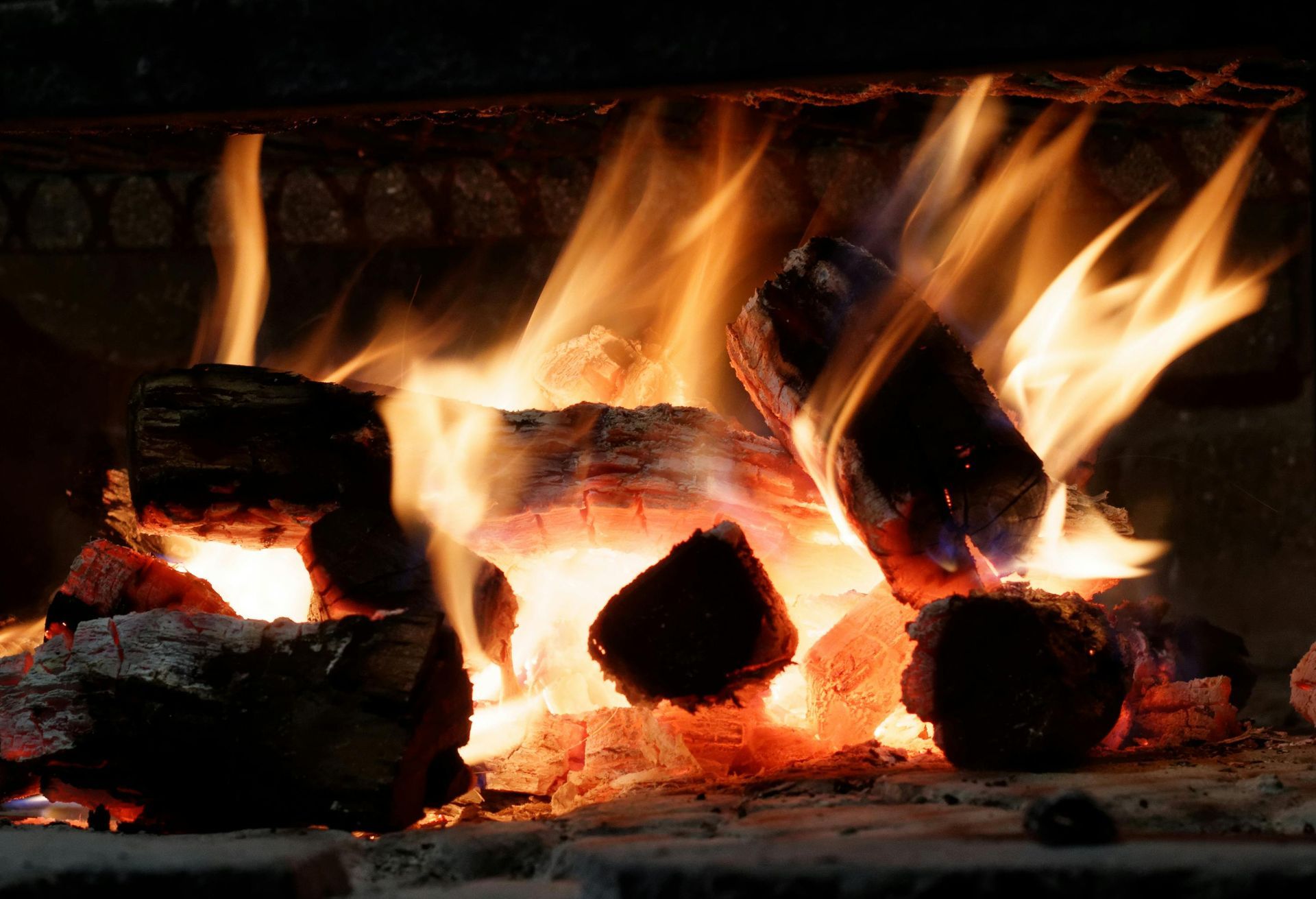
Following the proper procedure when lighting the logs is mandatory for a perfect fire and low smoke. Place 100% dry and smaller logs at the bottom and light them. Add logs only when they are properly lit. Additionally, avoid using flammable liquids, such as petrol or paraffin, to start the fire, as they can create a hazardous, smoky burn. If you are struggling with low flame, focus on ensuring the combustion rather than using flammable items.
Following these given techniques and tips, you will be able to reduce smoke from a wood-burning stove. If you are still experiencing excessive smoke despite following these steps, it might be a deeper issue. Contact Pure Stoves & Fireplace to find out about our installation and other services.