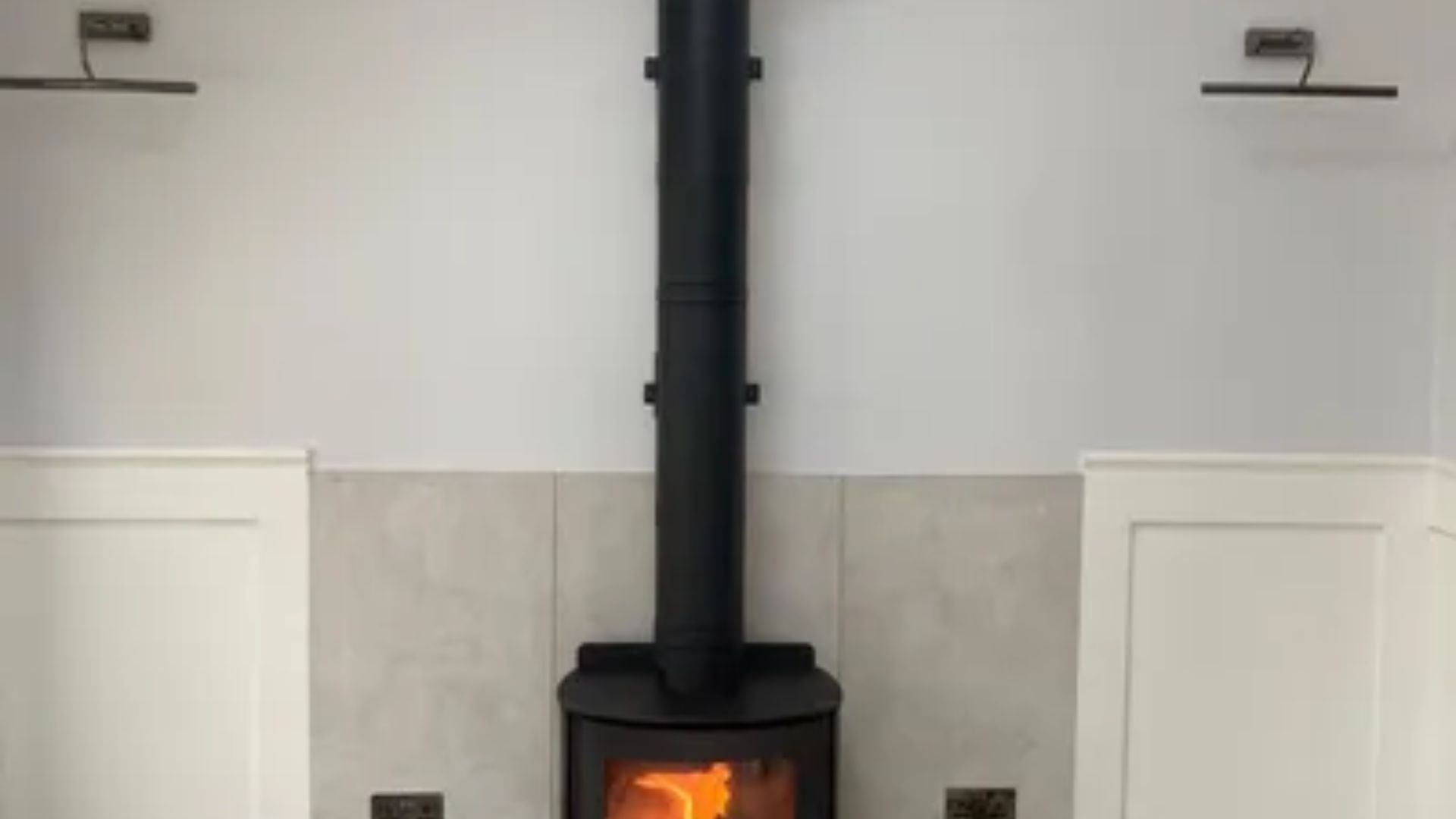
Understanding flue liners and why they're important for wood burners
Installing a wood burner is about more than choosing the right stove. One of the most important components of the system is the flue liner, which helps your stove operate safely, efficiently, and in line with UK building regulations. Whether you're fitting a new stove or upgrading an existing fireplace, understanding the role of a flue liner can help you make informed decisions and protect your investment.
If you're considering wood burners in Stevenage, knowing how flue liners work is just as important as selecting the right appliance for your home.
What is a flue liner?
A flue liner is a protective tube installed inside a chimney or flue system. Its purpose is to safely carry smoke, gases, and combustion by-products from your wood burner to the outside atmosphere.
Older properties often have brick chimneys that were not designed for modern wood-burning stoves. Over time, these chimneys can develop cracks, gaps, or rough internal surfaces that affect airflow and safety. A correctly installed flue liner creates a sealed passage, allowing your stove to perform as intended.
Common types of flue liners
The type of flue liner required depends on your property and installation.
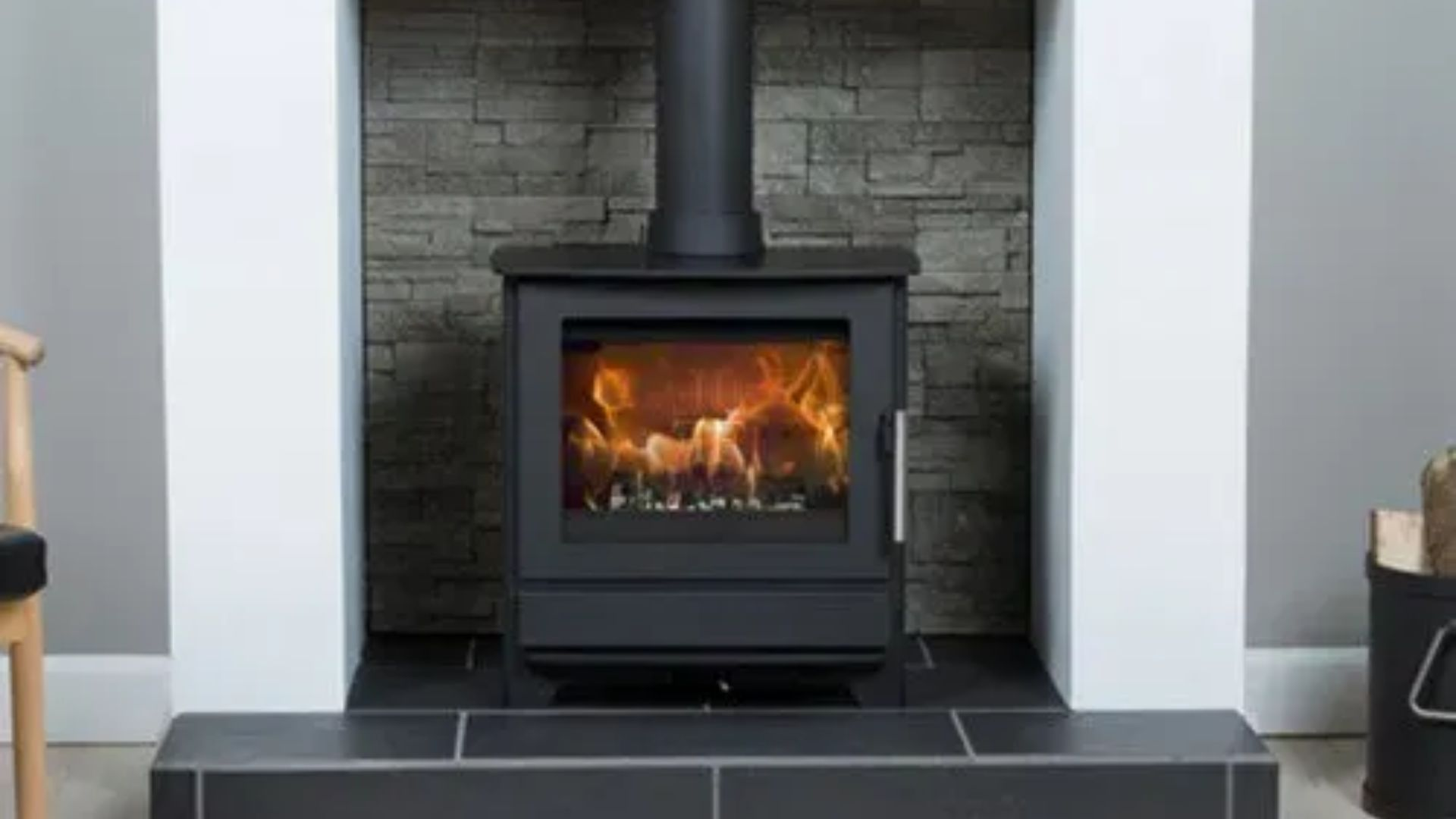
● Flexible stainless steel liners are commonly used when fitting a wood burner into an existing chimney.
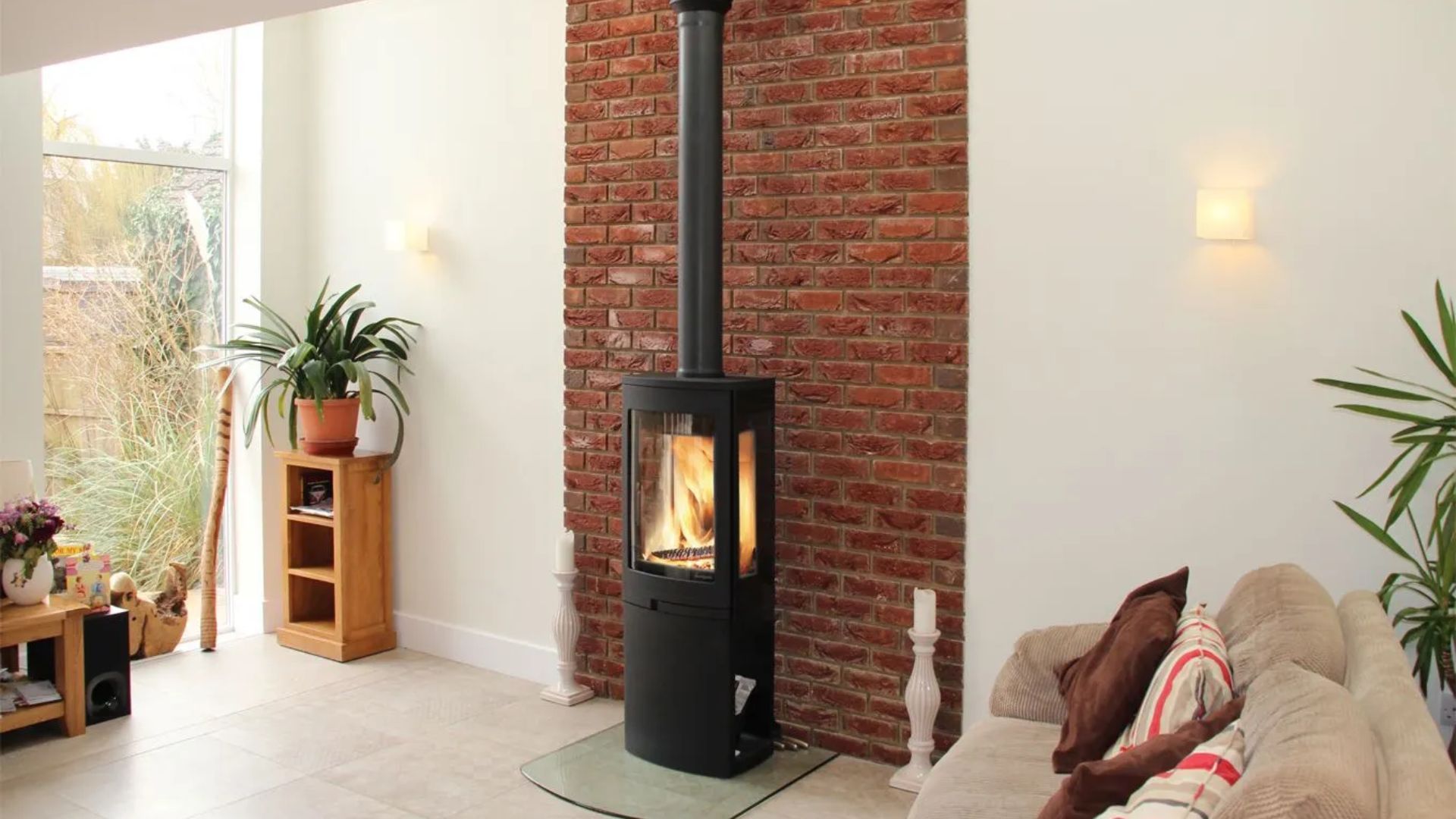
● Rigid insulated flue systems are ideal for homes without a traditional chimney.
● Clay or pumice liners are often installed during the construction of new properties.
A qualified installer will recommend the most suitable option based on your home and the stove you choose.
Why is a flue liner important?
A flue liner does much more than carry smoke away. It plays a key role in the overall performance and safety of your heating system.
Improves safety
Without a properly functioning flue liner, smoke and harmful gases such as carbon monoxide may not be removed efficiently. A correctly installed liner helps direct these gases safely outside while reducing the risk of leaks through damaged chimney walls.
Increases heating efficiency
Good airflow allows your wood burner to burn fuel more completely. This creates a stronger chimney draw, improves heat output, and can reduce fuel consumption. An efficient flue system also helps minimise excessive smoke and soot build-up.
Protects the chimney
Wood-burning appliances produce moisture, acidic deposits, and creosote during normal operation. Over time, these by-products can damage brickwork and mortar. A flue liner acts as a protective barrier, helping extend the lifespan of the chimney.
Signs your flue liner may need attention
Although flue liners are built to last, regular inspections are essential.
Watch out for these warning signs
● Smoke entering the room when the stove is in use
● Poor stove performance or difficulty maintaining the fire
● Strong smoky odours around the fireplace
● Excessive soot or tar deposits
● Visible damage identified during chimney sweeping or servicing
If any of these issues occur, it's important to arrange a professional inspection before continuing to use the stove.
Professional installation makes a difference
Installing a flue liner is not a DIY project. Correct sizing, insulation, and installation all affect how safely and efficiently the stove operates. Professional installers assess the condition of the chimney, recommend the appropriate flue system, and ensure the installation complies with current UK regulations.
Many suppliers of wood burners in Stevenage also provide installation advice, compatible flue systems, and ongoing support to help homeowners achieve a safe and reliable heating solution.
For multi-fuel and wood-burning stoves, get in touch with Pure Stoves and Fireplaces. We supply some of the biggest manufacturers, with both modern and traditional styles of stoves and inset fires.